
Rooftop Tent Size Guide for Wholesale Buyer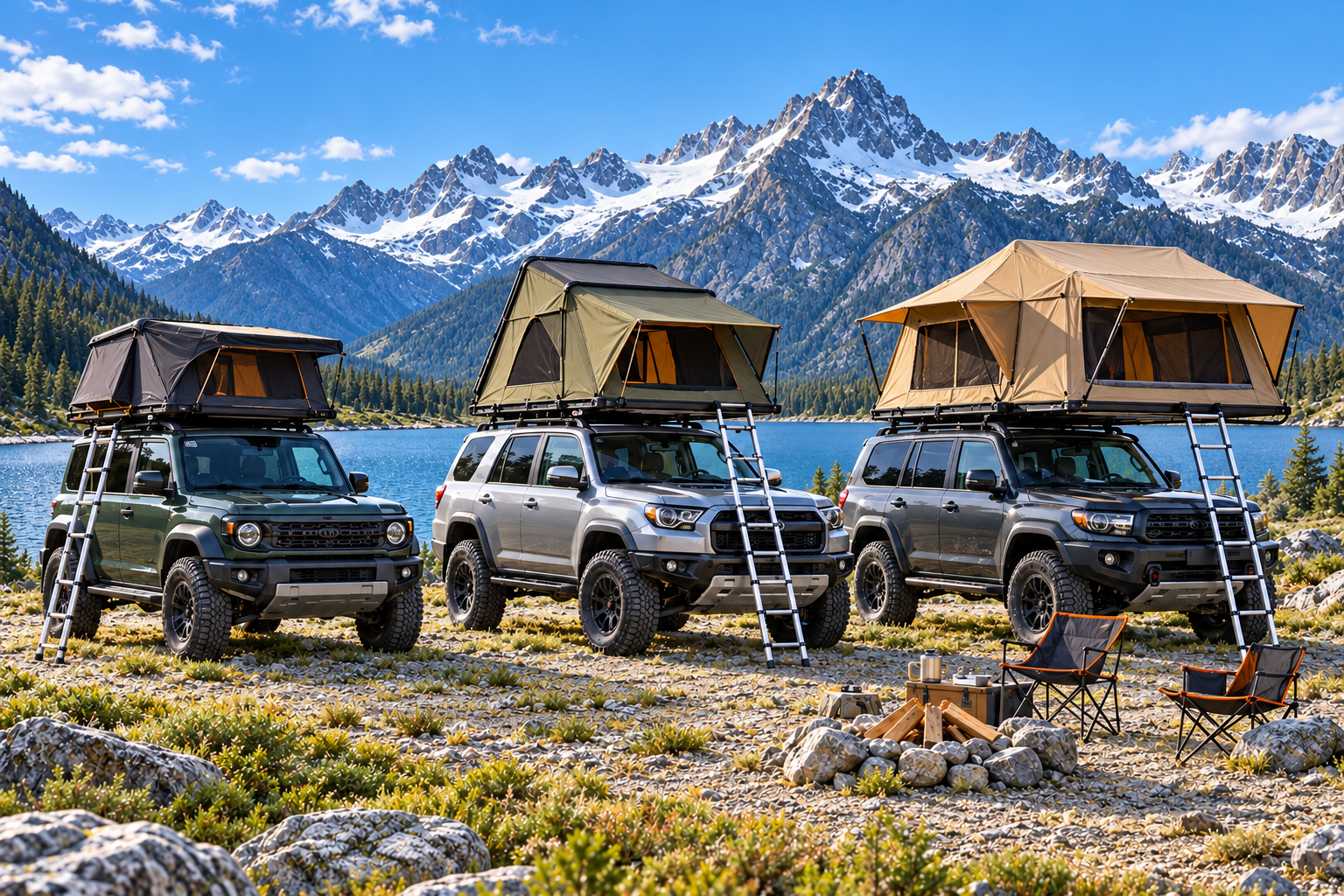
How to plan a practical range across compact, shared-use and larger rooftop tent categories—and what to verify before listing or ordering each model.
The short answer
Use the capacity label to shortlist a tent, then compare its actual sleeping-floor dimensions, packed size, vehicle compatibility and setup. A category label alone is not enough to confirm how a specific SKU will fit your customers.
For importers and distributors
Build the range around customer use cases and confirmed product data. Request a model-by-model specification sheet before you set capacity claims, create listings or approve a purchase order.
What does “1–2 person” or “2–3 person” actually tell a buyer?
A person-capacity label is a useful first filter, but it does not tell the whole story. Buyers still need the usable sleeping-floor length and width, mattress layout, entry position, headroom, packed dimensions and the manufacturer’s capacity basis. These details determine whether the tent suits the customer and vehicle shown in your product listing.
For a retailer or distributor, the practical question is not only “How many people does the label say?” It is also “Which customer and vehicle does this model serve, and what evidence supports the listing claim?” Ask the supplier to confirm those points for the exact SKU and version you plan to sell.
| Catalog tier | Possible range role | Confirm before publishing |
|---|---|---|
| Compact / 1–2 person | A compact option for buyers prioritizing a smaller sleeping footprint or vehicle setup. | Usable floor dimensions, mattress size, packed dimensions and stated capacity for the exact SKU. |
| Shared-use / 2–3 person | A middle choice for customers who need more sleeping room than a compact model. | Sleeping layout, internal width, access, accessories and vehicle/rack compatibility. |
| Larger / family category | A larger-format option when the exact model and intended vehicle support it. | Verified capacity, open and closed dimensions, total mounted load and any annex configuration. |
XUGO’s site currently groups products under 1–2, 2–3 and 4–5 person category pages. Treat those pages as browsing categories; confirm the exact specifications and capacity claim for each product before using them in a listing.
Build a range around customer use, not just a row of sizes
Start by grouping your target buyers: solo travelers, couples, families, 4×4 owners, touring customers or outdoor retailers. Then map each group to the vehicle types and product features they ask for most often.
A useful first assortment can include a compact model, a broader shared-use option and a larger model only where your customer base and confirmed fitment support it. This is a planning framework, not a sales forecast; validate it with your own enquiries, dealer feedback and sample evaluation.
- Define the buyer: record typical vehicle, trip length, number of users and expected accessories.
- Shortlist by product format: compare foldable soft-shell and hard-shell options where they suit the same customer group.
- Check the full package: compare open size, closed size, packed weight, installation interface, ladder and annex options.
- Test the listing: use approved product photos and confirmed dimensions before presenting the model to dealers.
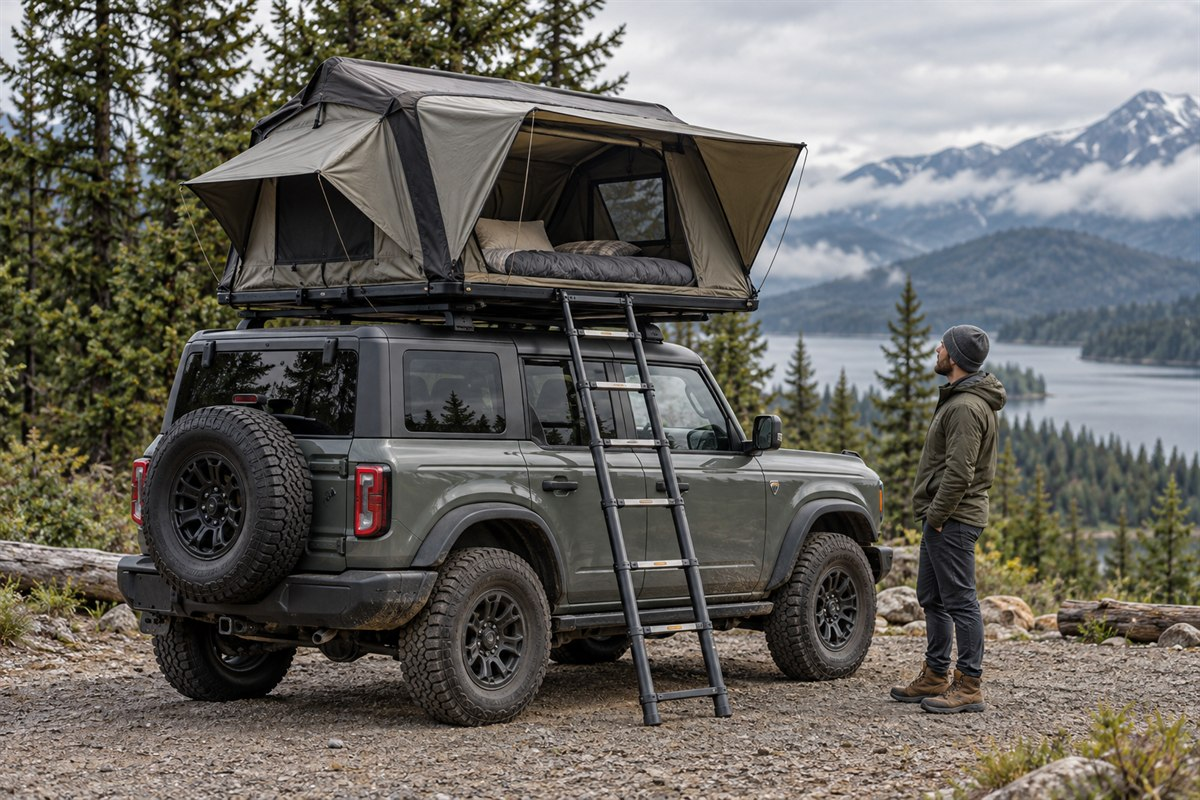
Capacity is one line in a product comparison—not the whole comparison
Before you choose a model for a wholesale range, compare the dimensions and specifications that affect the end customer’s experience and your logistics. Ask the supplier to identify the exact model number and version on every spec sheet, sample label and quotation.
Usable floor length and width, mattress dimensions, entry and headroom.
Mounting method, rack requirements, bar spacing and vehicle-specific fitment notes.
Deployed footprint, travel height, packed dimensions and storage needs.
Included ladder, annex, mattress, hardware, packaging and available customization.
Important: Vehicle roof and rack limits depend on the vehicle, rack system and installation. Obtain written compatibility and load guidance from the relevant manufacturers for the exact configuration; do not infer a safe limit from tent capacity or a category name.
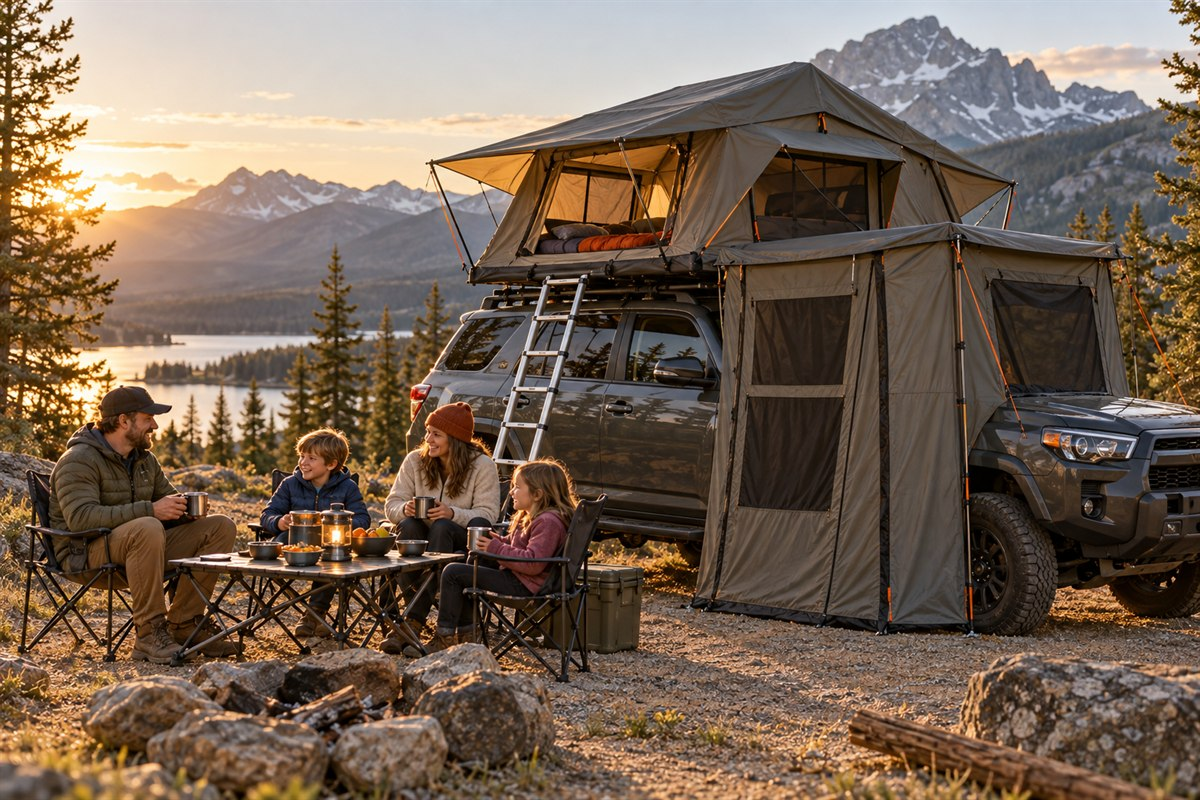
Make the quote easy to compare
Send suppliers the same requirements for every shortlisted model. That makes it easier to compare offers and reduces gaps between the sample, product listing and bulk order.
Copy into your RFQ
- Target category and intended user group
- Exact open and closed dimensions, mattress dimensions and confirmed capacity
- Vehicle/rack compatibility and mounting requirements
- Materials, included accessories, color and packaging options
- Sample availability, MOQ, lead time and shipping-carton details
- OEM/ODM scope, artwork files and approval steps, if required
Wholesale rooftop tent buyer checklist
For customization, agree on the model baseline first, then confirm branding, colors, packaging and any changes in writing. See XUGO’s OEM/ODM service page for the available project approach.
Browse categories, then verify the model specification
Use the category pages to explore options. For capacity claims, vehicle fit and configuration, confirm details against the exact product and quotation.
Related reading: How to Choose a Reliable Rooftop Tent Supplier · Hard Shell vs Soft Shell Rooftop Tents
Rooftop tent size questions from buyers
Does a “2–3 person” label guarantee the same usable space across models?
No. Compare the exact sleeping-floor and mattress dimensions, layout and manufacturer-stated capacity for each model. Do not assume category labels are directly comparable.
What should a distributor compare besides sleeping capacity?
Compare open and closed dimensions, packed weight, vehicle/rack requirements, setup method, included accessories, carton details, MOQ and lead time.
Can I use the category name as the product’s capacity claim?
Confirm the claim against the exact SKU’s current specification sheet before publishing. Category pages help buyers browse, but the product-level data should support the final listing.
What information should I send when requesting a quote?
Share your target market, intended user group, vehicle/rack needs, target category, customization requirements and expected order plan. Ask the supplier to return model-specific dimensions, configuration, MOQ and lead-time information.

 Next Post